
As September approaches, the first signs of fall show themselves in the cooler temperatures, blossoming goldenrods, and in varieties of winter squash, figs, pawpaws, and Asian pears at Buncombe County farmers markets. If this cooler weather has you calling in fall, find all sorts of late summer and fall produce to honor the shifting seasons in your meals.
What’s more quintessential late summer than the first winter squash varieties? While laying in fields and growing all summer, their prize rewards us in delicious diversity, incredible storage potential, and a robust history rooted in North America and Indigenous culture. While the famous and place-based North Georgia Candy Roaster hasn’t arrived quite yet, find butternut, kabocha, spaghetti, and delicata squash from vendors like Sleight Family Farm (North Asheville Tailgate Market), Flying Cloud Farm (North Asheville and River Arts District markets). If you’re not feeling soup season just yet, add some cubed and roasted butternut squash to a fresh salad or transform a spaghetti squash into fritters or a gluten-free pasta dish.
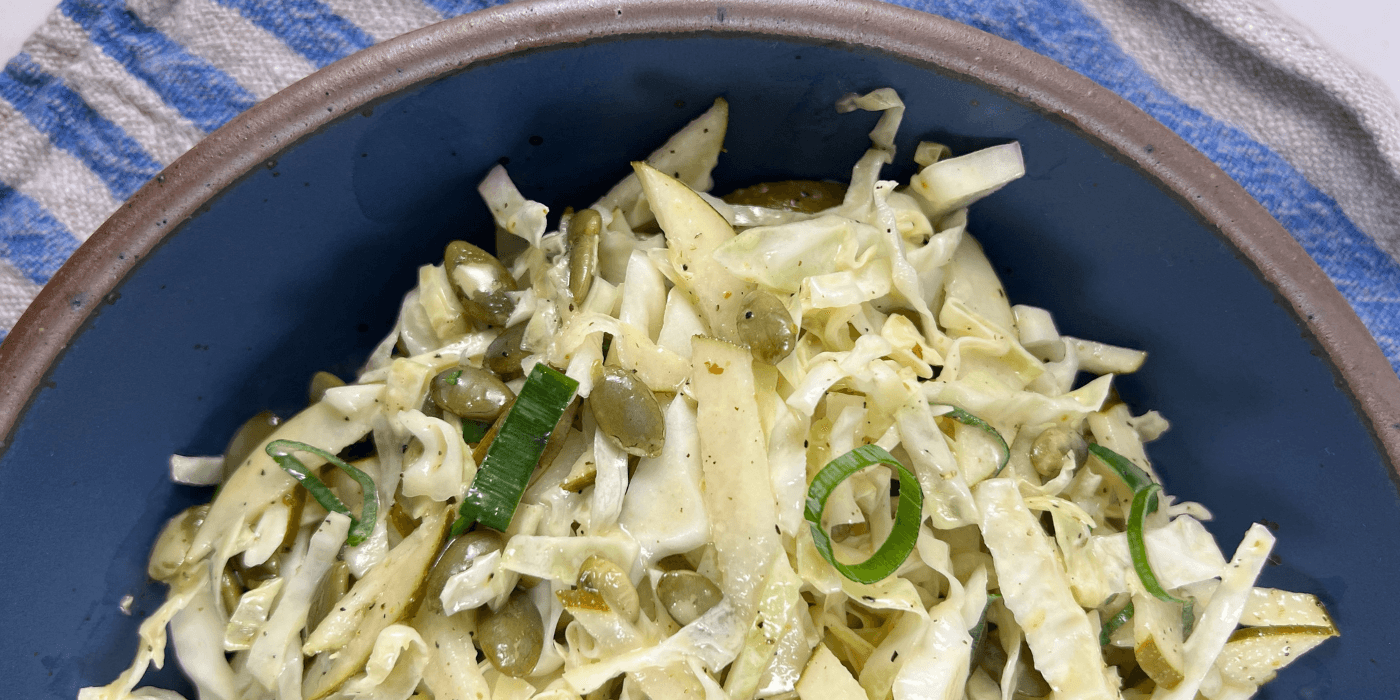
Asian pears, unlike European pears, have a firm apple-like texture and a delicious crunch. Asian pears ripen on the tree and tend to be more cold hardy than typical pears. Still want that summer vibe with a little fall flare? Try out an Asian pear coleslaw. Tangy, crunchy, and a little sweet, this coleslaw pairs well with late summer tacos or anything you’re craving to put on the grill. First, thinly chop three cups of cabbage, one large Asian pear, one small fennel bulb, and a small bunch of chives or scallions and place in a large bowl. Next, make a dressing in a small bowl by combining one-fourth cup of olive oil, one-fourth cup of lemon juice, one tablespoon of Dijon mustard, two tablespoons of maple syrup (or honey), and salt and pepper to taste. Whisk your dressing then pour over your slaw ingredients. For an added fall flare, add a handful of toasted pumpkin seeds. Mix up your coleslaw and enjoy!
Find Asian pears from Lee’s One Fortune Farm (Asheville City, Black Mountain, West Asheville, Weaverville, and East Asheville markets) and Tucker’s Garden (North Asheville and West Asheville Markets). Tucker’s Garden, along with B&L Organic, have unsprayed European varieties of pears too. You can also go pick your own Asian Pears–right from the tree–on ASAP’s Farm Tour (Sept. 20-21, 12-5 p.m. each day) at Pilot Mountain Pears in Henderson County. Passes are still on sale at asapconnections.org/farmtour.
More fall fruits are coming into season and hitting markets now, too. Find fresh figs from Creasman Farms (Asheville City, North Asheville, and West Asheville Markets) and McConnell Farms (North Asheville Tailgate Market). If you haven’t had a fresh fig (not dried) before, you really have to try it! Their delicate, seedy flesh and honey-like flavor pairs perfectly with salads, soft and aged cheeses, baked goods, and more.
Pawpaws are making their first appearances from Wild Goods (Asheville City, West Asheville, River Arts District, Biltmore Park, and East Asheville markets) and Oakley Mountain Greenhouses (East Asheville Tailgate Market). While the taste and smell may not be for everyone, they are not an experience to be missed. This fruit can make for an easy replacement to bananas or mangoes in any recipe, and tastes delicious when baked into a bread, blended into a smoothie, mashed into an ice cream, or added to a pie. Because pawpaws ripen quickly, bruise easily, and have a very short shelf life, you won’t likely find them at grocery stores. If you want to find them straight from the tree or see some pawpaw orchards, visit Black Thorn Farm & Kitchen in the Leicester Cluster of ASAP’s Farm Tour.
At markets now you’ll also find cabbages, collards, beets, carrots, stone fruits like peaches and plums, mushrooms, potatoes, tomatoes, okra, peppers, eggplant, garlic, onions, green beans, microgreens, many types of fresh herbs, and more. Markets offer an abundance of farm-fresh eggs and meats, including chicken, pork, beef, and lamb. You can also get bread, cheese, pastries, fermented products, drinks, and prepared foods. During springtime, find annual and perennial plant starts for your gardens along with fresh flowers. As always, you can find information about farms, tailgate markets, and farm stands, including locations and hours, by visiting ASAP’s online Local Food Guide at appalachiangrown.org.